
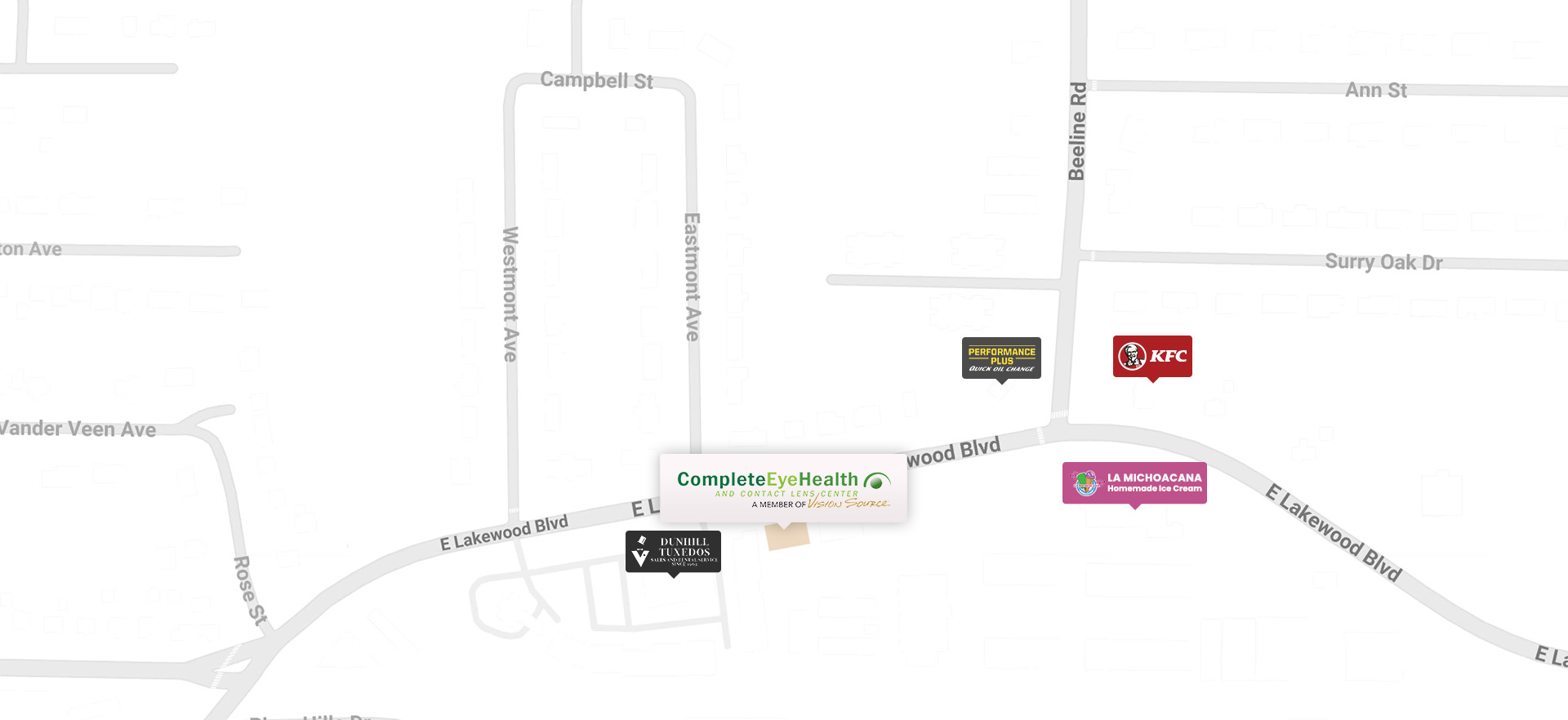
70 E. Lakewood Blvd Ste 10
Holland, MI 49424

Services
Eyecare Services in Holland
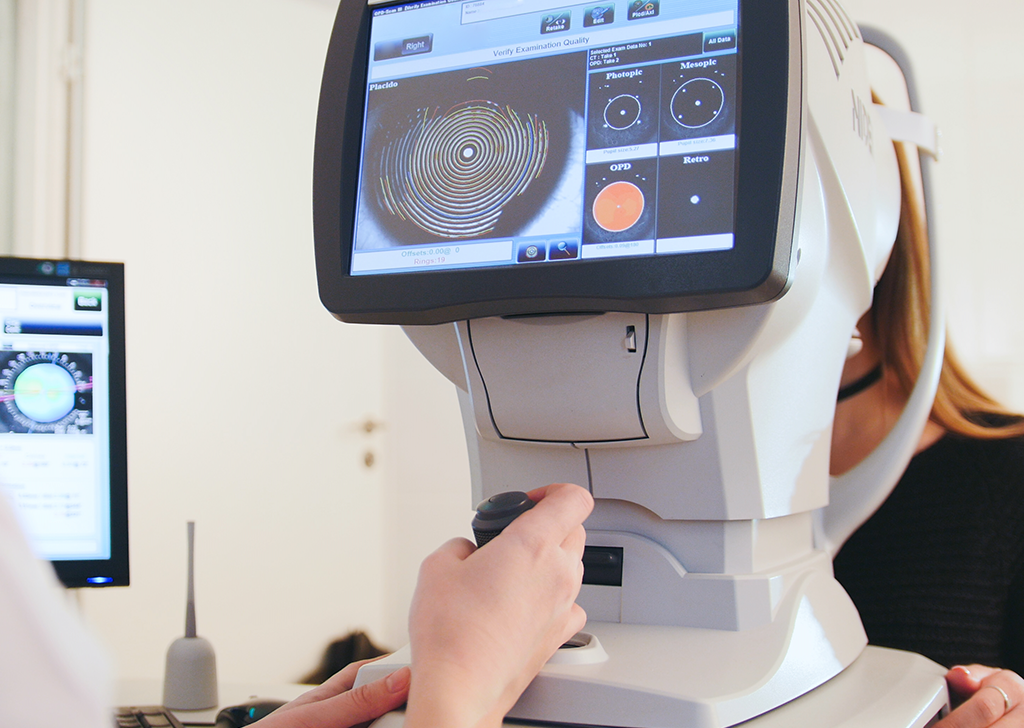
Comprehensive Eye Exam
Routine eye exams are a vital aspect of preventive eye care. Without routine eye exams, vision issues often go undetected since most eye disorders don't have clear symptoms.
Learn More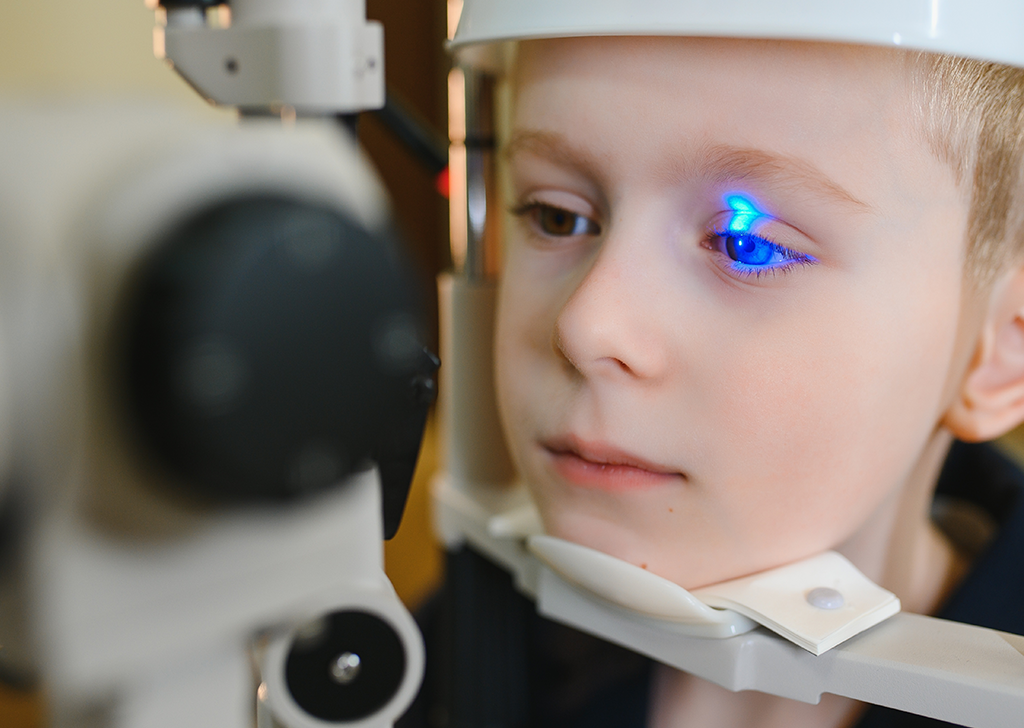
Pediatric Eye Exam
A thorough investigation of your child's overall health of the eye and the visual system is important since some childhood vision problems can lead to permanent vision loss if left untreated.
Learn More
Medical Eye Exams
Medical eye exams are comprehensive evaluations of the health and function of the eyes, essential for maintaining optimal vision and preventing potential eye conditions.
Learn More
Diabetic Related Eye Exams
Did you know the only place to see naked blood vessels in action is in the eyes? This is best way to see how well managed your diabetes is, and quickly determine what changes may be needed to your care.
Learn More
Myopia Management
Myopia (or nearsightedness) is so common that nearly 50% of North Americans will have myopia by 2030. Myopia happens when the eye grows too fast, too long, and gets weaker. You may know it as blurry vision far away. At our practice, we specialize in pediatric eye care and treat myopia seriously.
Learn More
Ortho-K
We are pleased to offer orthokeratology, or Ortho-K, a revolutionary way to help you see clearly throughout the day without having to wear glasses or contacts and without having to get laser eye surgery.
Learn More
Eye Disease Management
Both optometrists and ophthalmologists treat many common types of ocular disease. However, for the best outcome, it’s important to see an eye doctor regularly. They can identify any issues before they become serious problems.
Learn More
Dry Eye Treatment
Dry Eye can have a major impact on your quality of life. You may find your eyes get tired faster or you have difficulty reading. Not to mention the discomfort of a burning sensation or blurry vision. Let’s take a look at dry eye treatments – from simple self-care to innovative prescriptions and therapies – to help you see clearly and comfortably.
Learn More
Contact Lens Exams
If you’ve never worn contact lenses before, it can seem a bit intimidating. After all, you’re inserting something into your eye! Let’s ease your mind about the first step – your contact lens exam. This post will walk you through what’s involved in a contact lens exam and what you can expect every step of the way.
Learn More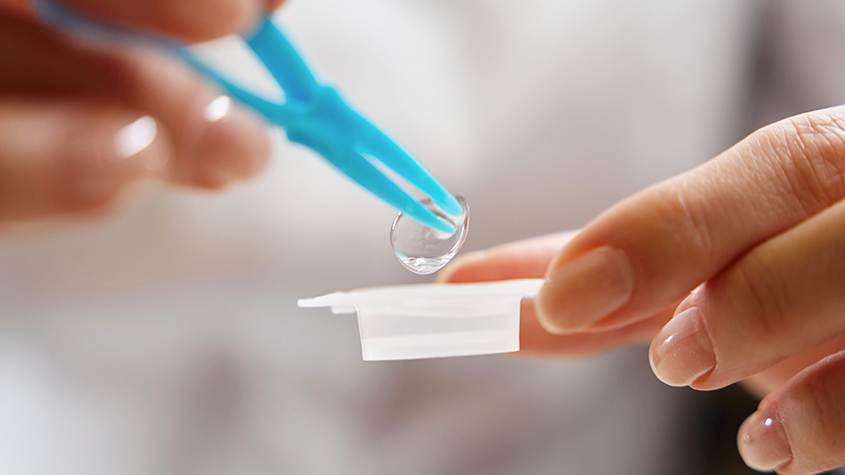
Specialty Contact Lenses
Every patient is different and so are their eyes. This means that there need to be different types of contact lenses to suit each individual. Some patients have corneal abnormalities which mean that conventional lenses won’t sit comfortably on the surface of their eyes.
Learn More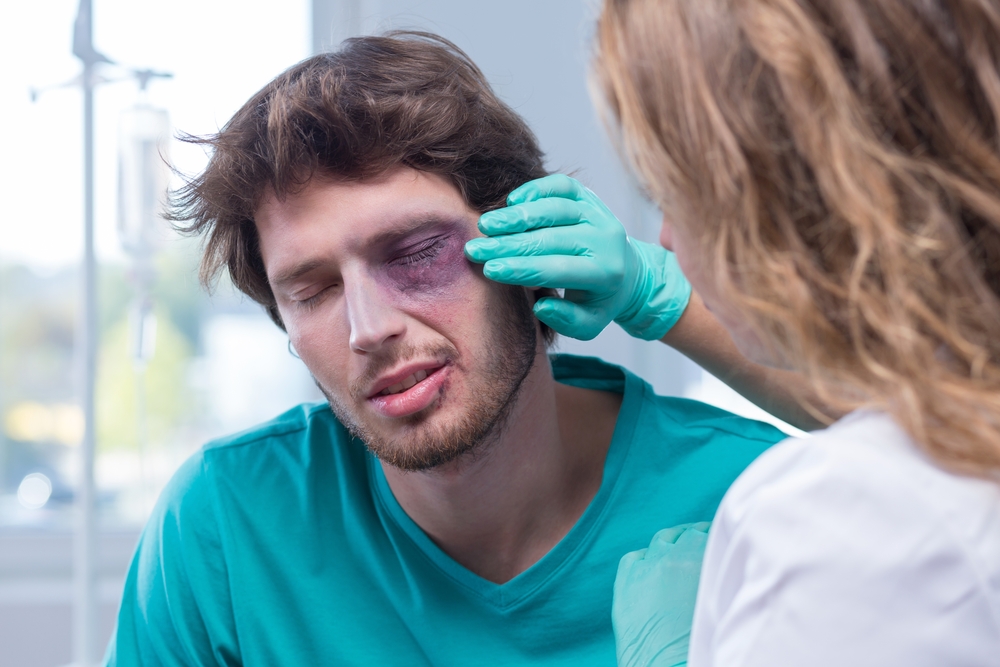
Emergency Eye Care
Eye emergencies cover a range of incidents and conditions such as trauma, cuts, scratches, foreign objects in the eye, burns, chemical exposure, photic retinopathy, and blunt injuries to the eye or eyelid.
Learn More
Macular Degeneration
Macular degeneration, commonly referred to as age-related macular degeneration (AMD), is the single largest cause of sight loss in the developed world and affects more than 10 million Americans.
Learn More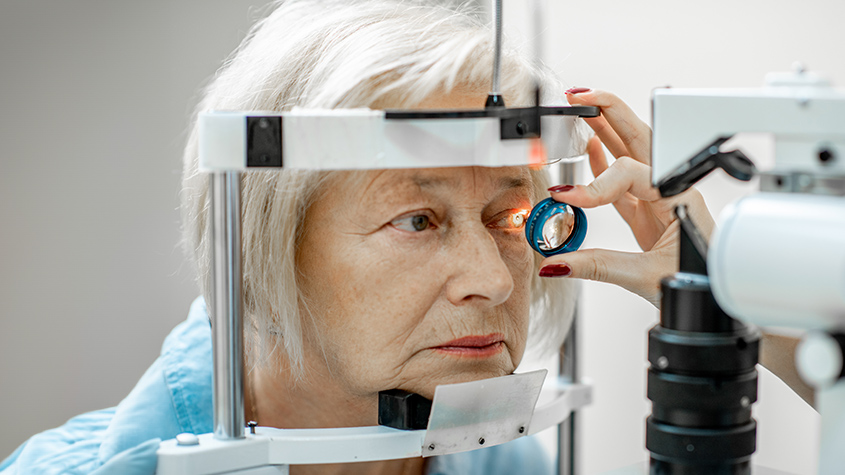
Glaucoma
You might be surprised at how many tests eye doctors use to diagnose glaucoma. A proper diagnosis requires careful evaluation of many aspects of your eye’s health – from eye pressure to cornea thickness to the health of your optic nerve. This article describes how your eye doctor assesses your risk and all the tests needed to properly diagnose glaucoma.
Learn More
Cataracts
If you’ve been diagnosed with cataracts, you may wonder if cataract surgery is right around the corner. Not to worry. There are many preventive steps you can take to slow the progression of cataracts and preserve your vision. That doesn’t mean you won’t eventually need surgery, but you can at least delay the need for quite a while.
Learn More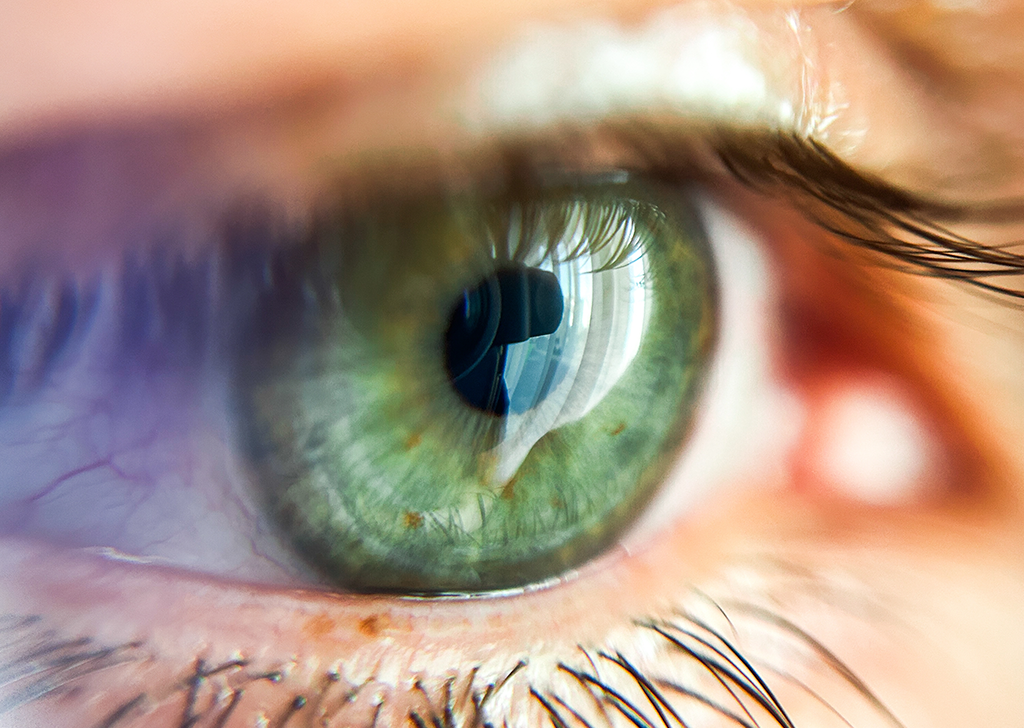
LASIK Co-management
LASIK co-management is an integral part of vision correction surgery that often goes unnoticed. It involves a partnership between your primary eye care professional and your LASIK surgeon. This cooperative approach ensures that you're provided with the best possible care before, during, and after your procedure.
Learn More
- Monday 8:00am - 5:00pm
- Tuesday 8:00am - 5:00pm
- Wednesday 8:00am - 5:00pm
- Thursday 10:00am - 6:00pm
- Friday 8:00am - 2:00pm
- Saturday Closed
- Sunday Closed
© 2026 Complete Eye Health. All rights Reserved - Accessibility Statement - Privacy Policy - Sitemap
Powered by
